






































Tsp_08067 cDNA ORF clone, Trichinella spiralis

The following Tsp_08067 gene cDNA ORF clone sequences were retrieved from the NCBI Reference Sequence Database (RefSeq). These sequences represent the protein coding region of the Tsp_08067 cDNA ORF which is encoded by the open reading frame (ORF) sequence. ORF sequences can be delivered in our standard vector, pcDNA3.1+/C-(K)DYK or the vector of your choice as an expression/transfection-ready ORF clone. Not the clone you want? Click here to find your clone.

***CloneID Accession No. Definition **Vector *Turnaround time Price (USD) Select
OTr121904 XM_003373422.1
Latest version!
Trichinella spiralis regulator of G-protein signaling 9 (Tsp_08067) mRNA, complete cds. pcDNA3.1-C-(k)DYK or customized vector 14-16 $342.30
$489.00

ORF Online Only Promotion

Next-day Shipping ORF Clones ( in default vector with tag)
1 Clone 30% OFF
2-4 Clone 40% OFF
5 or more Clone 50% OFF
All Other ORF Clones
30% OFF

*Business Day

** You may select a custom vector to replace pcDNA3.1+/C-(K)DYK after clone is added to cart.

** GenScript guarantees 100% sequence accuracy of all synthetic DNA constructs we deliver, but we do not guarantee protein expression in your experimental system. Protein expression is influenced by many factors that may vary between experiments or laboratories. In addition, please pay attention to the signal peptide, propeptide and transit peptide in target ORF, which may affect the choice of vector (N/C terminal tag vector).

***One clone ID might be correlated to multiple accession numbers, which share the same CDS sequence.

  • Reference Sequences (Refseq)
    CloneID OTr121904
    Clone ID Related Accession (Same CDS sequence) XM_003373422.1
    Accession Version XM_003373422.1 Latest version! Documents for ORF clone product in default vector
    Sequence Information ORF Nucleotide Sequence (Length: 1686bp)
    Protein sequence
    SNP
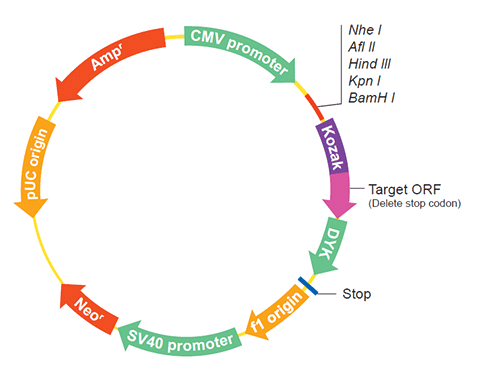
    Vector pcDNA3.1-C-(k)DYK or customized vector User Manual
    Clone information Clone Map MSDS
    Tag on pcDNA3.1+/C-(K)DYK C terminal DYKDDDDK tags
    ORF Insert Method CloneEZ™ Seamless cloning technology
    Insert Structure linear
    Update Date 2011-06-30
    Organism Trichinella spiralis
    Product regulator of G-protein signaling 9
    Comment Comment: PROVISIONAL REFSEQ: This record has not yet been subject to final NCBI review. This record is derived from an annotated genomic sequence (NW_003526945). Trichinella spiralis is a roundworm that cause most of the human trichinella infections and deaths around the world. Its pathogenicity is higher than that of other trichinella species due to the higher number of newborn larvae produced by the females and for the stronger immune reaction induced in humans. The life cycle of the parasite begins when a person or an animal eats contaminated meat containing larvae. T. spiralis is a basal nematode with a well-defined phylogenetic position near the root of the phylum Nematoda. The genome size estimate based on flow sorted nuclei stained with PI (Spencer Johnston, Texas A&M University) is 1C = 71.3 +/1 1.2 Mb. The strain being sequenced (ISS 195) was obtained from the laboratory of Judith Appleton (Cornell University) and has been maintained in rats since 1970. Worm isolation and DNA extraction was performed by Dante Zarlenga (USDA) This assembly consists of plasmid, fosmid and BAC end sequences. The data were assembled using the assembly engine, PCAP (Xiaoqiu Huang et. al. 2006). Our goal is to explore this WGS draft sequence of T. spiralis in several ways: i) to provide a better understanding of evolutionary biology by identifying gene loss or gain across the phylum Nematoda and clarify evolution of genome architecture (synteny, operons); ii) help identify RNA genes and regulatory regions; and iii) better define proteins involved in nematode parasitism that impact health and disease and are relevant to both host-parasite relationships and basic biological processes.. We masked the repeats by using RECON (Bao and Eddy, 2002) and RepeatMasker (A.F.A. Smit, R. Hubley & P. Green RepeatMasker at http://repeatmasker.org). Then the Ribosomal RNA genes were identified using RNAmmer ((http://www.cbs.dtu.dk/cgi-bin/nph-sw_request?rnammer ). Transfer RNA genes were identified with tRNAscan-SE (Lowe and Eddy, 1997). Non-coding RNAs, such as microRNAs, were identified by sequence homology search of the Rfam database (http://selab.janelia.org/software.html). Protein-coding genes were predicted using a combination of ab initio programs (Snap, Korf, 2004 and Fgenesh, Softberry, Corp) and an inhouse evidence based program Eannot (Eannot Ding et al., 2004) which uses mRNA, EST and protein alignment information from same species or cross-species to aid in gene structure determination. A consensus gene set from the above prediction algorithms will be generated, using a logical, hierarchical approach. Gene product naming was determined by BER (JCVI: http://ber.sourceforge.net ). For information regarding this assembly or project, or any other GSC genome project, please visit our Genome Groups web page (http://genome.wustl.edu/genome_group_index.cgi) and email the designated contact person. For specific questions regarding the T. spiralis genome project contact Makedonka Mitreva [email protected] (Washington University School of Medicine). The National Human Genome Research Institute (NHGRI) of the National Institutes of Health (NIH) provided funds for this project.

    1
    61
    121
    181
    241
    301
    361
    421
    481
    541
    601
    661
    721
    781
    841
    901
    961
    1021
    1081
    1141
    1201
    1261
    1321
    1381
    1441
    1501
    1561
    1621
    1681
    ATGATATTGG ATGGCAGTTT CTTACTTAAT AAGACCAATA GTCTGAATGC ATGGCAGTCG 
    TGGACGTATA AACGATGCTT TTCTTTAGTT TTGCATTTGG AGCAGTTGCA TCAATTGATT
    ACTGAAATCC AATTATTGGC AATAATGAGT TCATTTCCAA TGTTTCGGAA GATGGACGAG
    CTGTGCATCC AGATGATGAA ACCAGATTCA GGGCTTCCAA TTAAAGGTCA AAAAATCAGC
    ATCTTTGCGG CATCAGAGAA GCTAGTTGAA AGTTCACTAT TGATCAATAT GGCTAGTTGT
    GTGCAGCGCC GAGGAATGTT TAATTATGTT TCAGGTAGTG AATTGATCGA GTGGTTGATG
    ACAAATCTGG AAGAAGTTGA CCAAGCTGAA GCTTTGCATT TGGCTAATCA ACTTTCCGCA
    TTTGGTTATC TGTTCTCTGT TTTTGATGCT AGCGCGCCAG TTAAAGAAGA CAATTGTCTA
    TACAGACTTC AAATACCATA TTTTTGGCCT TCGAGTAACA TGCAACCGGA CAGTATTGAA
    TATGCAATTT TTCTCAGCAA GCGTCTTTTG AGAAACGAAG AAAAGCATGG TCTGGTTGAA
    TACGAAGCCG AATCTTATCA AAAATTGAGA GAACTGCTTG GTCACATGTG GGATTTTGTA
    CAGTCGCAAG CTGAGATGCA GTTGAAACTT TTCAAAGAGA AGAAAAAATC CGAAAAGGTA
    GTGTTCGATA GTCAAGAAAA AGCGTACTGG CGTATACATC GTCCGCCGGT AGAAGTTCGC
    TTTTCTCTGC TCGCTTGTTG CTTACTACTC TGTGTTCAGA TTGAACGCTT GAAACAAATA
    TTGAAAACGA AACCTTGGTT GAAATCGCCA AAGTCATTGG AAACTCTTGT TTCTTGGTGC
    GATCAATTCA GCAATTATGA TCCAATGTTG ACACCGCCAC GGGATCCTGG AAATCCTTGG
    ATAGTTGACG ATCCGACACT TTGGCAGTTG AATGCCAACA ATGTTGAAGT ACCCACGGAA
    AGACGAGTAC GCAGATGGGG ATTTTCCATA CACGAATTGA TCAAAGATCC AATTGGTCGC
    CAAGTGTTGG AAACATTTCT AGAGTCGGAA TTTTCCCAAG AGAATATACG ATTTTGGCTG
    GCTGTTCAAG ACCTGAAATA CAGTCCGTCG TCTGAAGTCA ACGCCAAAGT TGCTGCCATA
    TACAATGAAT TTTTGGTCGC CGGTGCCCCG TGTCAAGTTA ACGTCGACTC GCAGACGTTG
    GAAACGGTGA CCAAAGCTTT GAAAGATCAA ACTGTGCCGT TGCGTTATTG TTTTTCCCAA
    GCTGAAGAGC ACATTTTCAT TCTGATGAGC AAAGATTCAT ATCCGAGATT TGCACGATCA
    GAAATATATC GTAGCATGCT GGCCGCTGCC CAGCAGCAAG GTTCCAAAAA GCTCGGATGG
    AGAAGCTTCT TGTTCGGTGG CAATCATGGA CCGTTGAAAA AGAGTCAGAC TTCGAGAACA
    AGTCCTCAAG GATTTTACAA AAACAGAGAT GAAGGAAGCA CAGCTAGGTT GCAAAATGTG
    GTTGACATGA CTAAAAAATC CACTTTGGAG CCGGGAGATG CGATCAGTGG AACCCAGCCG
    AAGAATTCAC CGACGTTCAC TTGTGATGGT GCGGATTCAT TGGATGTGGA AGTGCCATTG
    AAATAA

    The stop codons will be deleted if pcDNA3.1+/C-(K)DYK vector is selected.

    RefSeq XP_003373470.1
    CDS1..1686
    Translation

    Target ORF information:

    RefSeq Version XM_003373422.1
    Organism Trichinella spiralis
    Definition Trichinella spiralis regulator of G-protein signaling 9 (Tsp_08067) mRNA, complete cds.

    Target ORF information:

    Epitope DYKDDDDK
    Bacterial selection AMPR
    Mammalian selection NeoR
    Vector pcDNA3.1+/C-(K)DYK
    XM_003373422.1

    ORF Insert Sequence:

    1
    61
    121
    181
    241
    301
    361
    421
    481
    541
    601
    661
    721
    781
    841
    901
    961
    1021
    1081
    1141
    1201
    1261
    1321
    1381
    1441
    1501
    1561
    1621
    1681
    ATGATATTGG ATGGCAGTTT CTTACTTAAT AAGACCAATA GTCTGAATGC ATGGCAGTCG 
    TGGACGTATA AACGATGCTT TTCTTTAGTT TTGCATTTGG AGCAGTTGCA TCAATTGATT
    ACTGAAATCC AATTATTGGC AATAATGAGT TCATTTCCAA TGTTTCGGAA GATGGACGAG
    CTGTGCATCC AGATGATGAA ACCAGATTCA GGGCTTCCAA TTAAAGGTCA AAAAATCAGC
    ATCTTTGCGG CATCAGAGAA GCTAGTTGAA AGTTCACTAT TGATCAATAT GGCTAGTTGT
    GTGCAGCGCC GAGGAATGTT TAATTATGTT TCAGGTAGTG AATTGATCGA GTGGTTGATG
    ACAAATCTGG AAGAAGTTGA CCAAGCTGAA GCTTTGCATT TGGCTAATCA ACTTTCCGCA
    TTTGGTTATC TGTTCTCTGT TTTTGATGCT AGCGCGCCAG TTAAAGAAGA CAATTGTCTA
    TACAGACTTC AAATACCATA TTTTTGGCCT TCGAGTAACA TGCAACCGGA CAGTATTGAA
    TATGCAATTT TTCTCAGCAA GCGTCTTTTG AGAAACGAAG AAAAGCATGG TCTGGTTGAA
    TACGAAGCCG AATCTTATCA AAAATTGAGA GAACTGCTTG GTCACATGTG GGATTTTGTA
    CAGTCGCAAG CTGAGATGCA GTTGAAACTT TTCAAAGAGA AGAAAAAATC CGAAAAGGTA
    GTGTTCGATA GTCAAGAAAA AGCGTACTGG CGTATACATC GTCCGCCGGT AGAAGTTCGC
    TTTTCTCTGC TCGCTTGTTG CTTACTACTC TGTGTTCAGA TTGAACGCTT GAAACAAATA
    TTGAAAACGA AACCTTGGTT GAAATCGCCA AAGTCATTGG AAACTCTTGT TTCTTGGTGC
    GATCAATTCA GCAATTATGA TCCAATGTTG ACACCGCCAC GGGATCCTGG AAATCCTTGG
    ATAGTTGACG ATCCGACACT TTGGCAGTTG AATGCCAACA ATGTTGAAGT ACCCACGGAA
    AGACGAGTAC GCAGATGGGG ATTTTCCATA CACGAATTGA TCAAAGATCC AATTGGTCGC
    CAAGTGTTGG AAACATTTCT AGAGTCGGAA TTTTCCCAAG AGAATATACG ATTTTGGCTG
    GCTGTTCAAG ACCTGAAATA CAGTCCGTCG TCTGAAGTCA ACGCCAAAGT TGCTGCCATA
    TACAATGAAT TTTTGGTCGC CGGTGCCCCG TGTCAAGTTA ACGTCGACTC GCAGACGTTG
    GAAACGGTGA CCAAAGCTTT GAAAGATCAA ACTGTGCCGT TGCGTTATTG TTTTTCCCAA
    GCTGAAGAGC ACATTTTCAT TCTGATGAGC AAAGATTCAT ATCCGAGATT TGCACGATCA
    GAAATATATC GTAGCATGCT GGCCGCTGCC CAGCAGCAAG GTTCCAAAAA GCTCGGATGG
    AGAAGCTTCT TGTTCGGTGG CAATCATGGA CCGTTGAAAA AGAGTCAGAC TTCGAGAACA
    AGTCCTCAAG GATTTTACAA AAACAGAGAT GAAGGAAGCA CAGCTAGGTT GCAAAATGTG
    GTTGACATGA CTAAAAAATC CACTTTGGAG CCGGGAGATG CGATCAGTGG AACCCAGCCG
    AAGAATTCAC CGACGTTCAC TTGTGATGGT GCGGATTCAT TGGATGTGGA AGTGCCATTG
    AAATAA

    The stop codons will be deleted if pcDNA3.1+/C-(K)DYK vector is selected.